Education
- Master and courses keyboard_arrow_down
- Experience keyboard_arrow_down
- Topics keyboard_arrow_downCustomized Training
account_balance
CUOA Business SchoolEducation
Awareness towards sustainability is constantly growing: every consumer choice is guided by attention to environmental, social, and economic impact. Businesses and organizations, both public and private, must integrate these values into their processes and strategies, going beyond environmental sustainability to embrace a cultural approach that focuses on people and territory.
The Sustainable Development Goals of the 2030 Agenda indicate the direction: "Transform our world". For entrepreneurs, managers, and public administrators, the first step is to acquire skills to lead change.
CUOA courses dedicated to sustainability offer concrete tools to develop ESG strategies, measure impact, and create lasting value.


Date and time: October 10, 2026 from 9:00 AM to 1:00 PM
Duration: 4 hours | Mode: in person
The theme of sustainability is increasingly a fundamental element in the design of planning and control systems and in the definition of appropriate reporting models.
Considering the objectives of the ESG criteria and their influence on the definition of corporate strategy, and the role of the planning and control system (guiding the organization towards achieving its strategic objectives and ensuring it pursues its short- and long-term goals), it is clear that sustainability is increasingly one of the pillars in defining the planning and control model.
Therefore, for managers in the Planning and Control area, it is necessary to acquire awareness and culture in sustainability from various perspectives: scenario and regulatory context, principles, reports and KPIs, internal organizational impacts.

Saturday, November 21, 2026, from 9:00 AM to 1:00 PM
In-person mode
The module is an integral part of the Human Resource Management.
The meeting offers an overview of the main topics of Diversity, Equity & Inclusion (DE&I) and their impact on organizations, also exploring the connections with sustainability reporting. Through theoretical contributions and practical exercises, participants will have the opportunity to develop greater awareness of the topic and acquire useful tools for its application in business contexts.

December 3, 2026
In-person mode
The executive course provides tools and measurements of sustainability performance to integrate sustainability into strategic business processes. Through canvas, scorecard and materiality analysis, participants learn to read the business model in an ESG perspective, evaluate impacts and performance, and guide decisions towards a sustainable and measurable growth. A practical and operational path to develop skills useful for making sustainability a concrete driver of value.

December 18, 2026
In-person mode
The module offers an overview of the fundamental principles of sustainability, delving into effective communication strategies and key elements for defining a sustainable communication plan, including the risks associated with greenwashing practices.
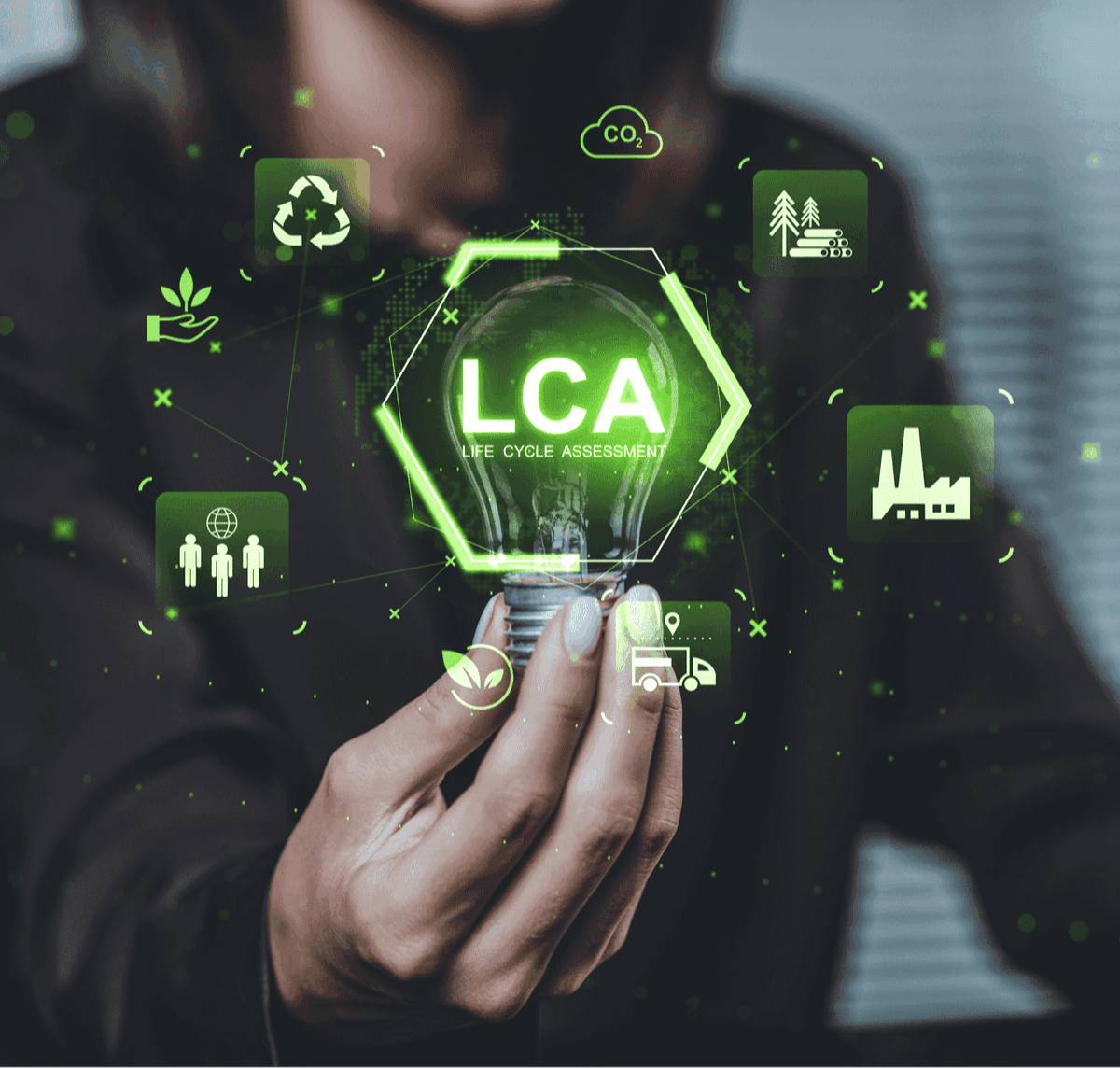
Navigating environmental sustainability is now a strategic skill for SMEs. The course provides an operational guide to Life Cycle Assessment (LCA) and carbon footprint, delving into principles, ISO 14000 and ISO 14067 standards, data collection and analysis, digital tools, and environmental impact assessment. Through concrete examples and a practical workshop, participants learn to measure emissions, interpret results, and develop effective decarbonization plans with environmental, economic, and competitive benefits.

Online mode
The course provides a clear and updated overview of the ESG regulations, analyzing the evolution of sustainability regulation: from the CSRD to the voluntary standards for SMEs. It delves into the impacts of the new rules on business strategy, governance, resources, reputation, supply chain and taxation.
The program offers operational tools to effectively tackle the sustainability reporting, ESG compliance and the integration of ESG criteria into business decision-making processes.

The training program develops managerial skills for theimplementation of sustainability in the company, with a focus on measurement and reporting. Participants will gain knowledge on sustainability principles, international regulations and standards, and skills to integrate ESG factors into business management, addressing governance, strategy, management models, as well as tools for measurement and reporting.